
Matcha Dictionary for Cafes: The Terms Every Customer-Facing Team Member Should Know (part 1)
Matcha has become a staple on cafe menus.
What was once considered a niche tea category is now found in specialty coffee shops, bakeries, restaurants, hotels, and cafes around the world. Yet despite its rapid growth, many customer-facing team members still lack the resources and training needed to confidently speak about the matcha they serve.
That’s a missed opportunity.
As operators, we invest significant time educating our teams about coffee. We teach origins, varietals, processing methods, tasting notes, and brewing techniques because we understand that knowledge helps teams create better customer experiences.
As matcha becomes increasingly common on cafe menus, it deserves the same level of attention.
Why Matcha Education Matters
The matcha market is not yet as mature as specialty coffee.
While coffee benefits from widely understood terminology and decades of consumer education, matcha remains a category where definitions, standards, and even basic terminology are often interpreted differently depending on who you ask.
Information can be contradictory. Social media has amplified misconceptions. Industry terminology is frequently used inconsistently.
As a result, many baristas find themselves navigating customer questions without the confidence or context to answer them.
The average customer may not care about the difference between a cultivar and an origin. But it’s important for your team to. Not because every customer will ask. But because some will.
When they do, your team’s ability to answer confidently builds trust, strengthens credibility, and reinforces the value of the product you’re serving.
Education impacts:
Customer trust
Team confidence
Guest experience
Menu storytelling
Premium pricing
Perceived value
Upselling opportunities
A customer who understands why a matcha costs more is often far more willing to pay for it.
The goal isn’t to turn every barista into a tea master.
The goal is to provide enough knowledge for your team to confidently tell the story behind the matcha they serve.
Why We Wrote This

We’re Jules Reyes and Marc St Raymond, co-founders of Mindful Drops.
We’ve spent more than a decade working in the matcha industry across sourcing, product development, education, retail, hospitality, and brand building.
Prior to founding Mindful Drops, we helped build and scale Jade Leaf Matcha into the #1 selling matcha brand in the United States. Along the way, we worked closely with tea producers, launched dozens of products, educated consumers, supported cafe operators, and helped introduce matcha to millions of people.
We’ve spent years training teams, answering customer questions, and observing how matcha is discussed throughout the industry.
This article was inspired by something we’ve observed repeatedly: As matcha has become more popular, confusion has grown alongside it.
Terms are often used interchangeably when they shouldn’t be. Definitions vary depending on who you ask. Social media rewards certainty, even when nuance is required.
At the same time, the matcha market is still relatively young compared to specialty coffee.
Coffee has developed a shared language around origin, varietals, processing methods, and quality. Matcha is still evolving. Definitions are often inconsistent, information can be contradictory, and there isn’t always universal agreement across the industry.
Our goal isn’t to declare ourselves the authority on matcha terminology (there’s actually an organization in Japan that has recently been formed and is working standardizing this information).
Our goal is to provide a practical framework that helps cafes educate their teams and communicate more confidently with customers.
Not every definition below is universally agreed upon. Matcha remains a category that is actively evolving.
What follows are the terms we believe are most useful for cafes and customer-facing teams today.
Matcha Dictionary: Common Customer Questions
These are some of the most common questions customers ask when ordering matcha.
1. CEREMONIAL GRADE
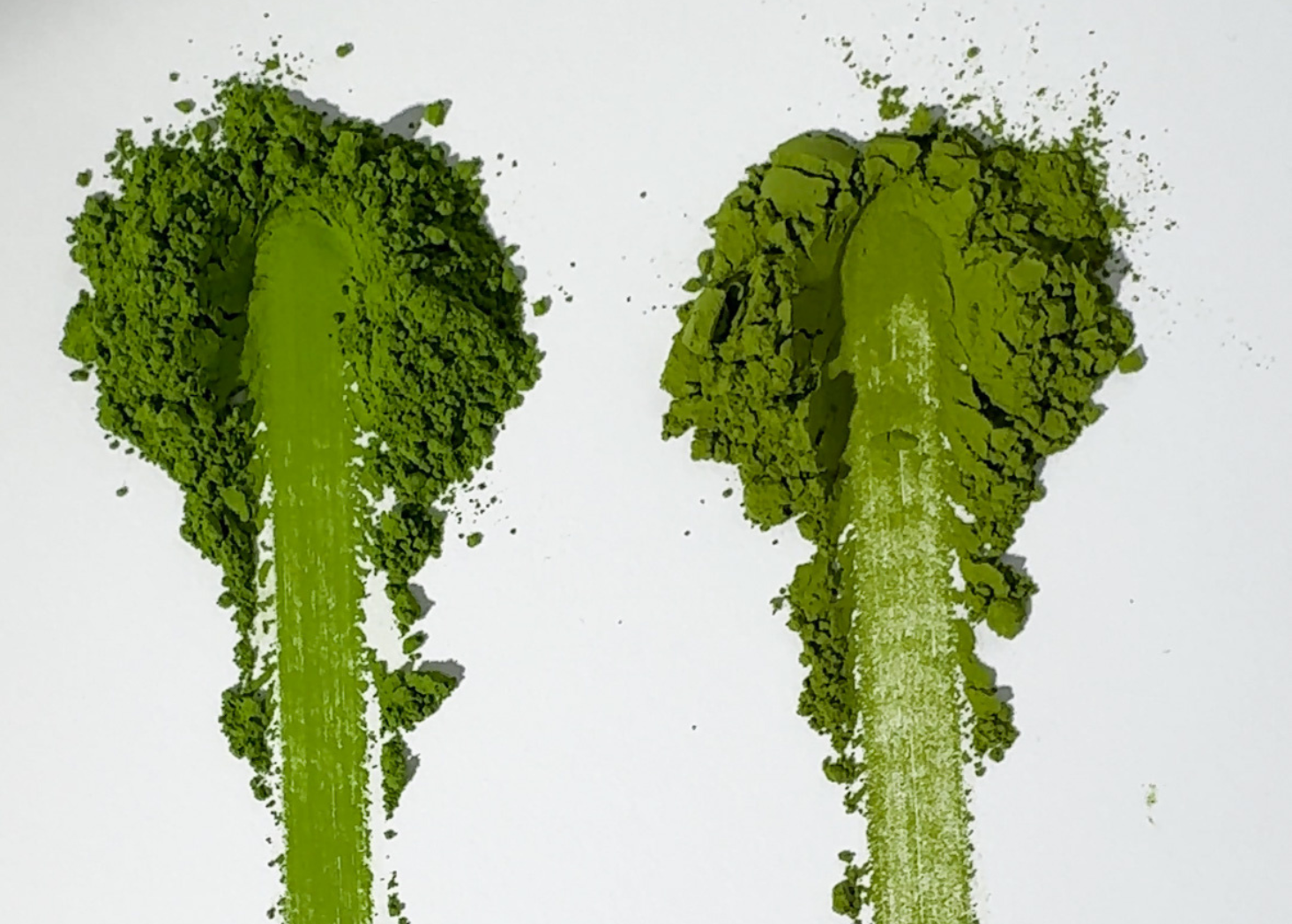
Matcha “smear test” also known as “finger swipe test” showing first harvest (ceremonial) matcha on the left, second harvest (culinary) matcha on the right.
First Harvest, or Ichibancha, refers to the first flush of tea leaves harvested in spring after the tea plant emerges from winter dormancy. This is a quality level most commonly referred to as ‘Ceremonial Grade.’
Let’s start with the most controversial term. You’ll often hear people say: “Ceremonial grade means nothing.” Technically, they’re correct. There is no officially regulated definition of ceremonial grade in Japan. But at this point, the term absolutely carries meaning within the marketplace. When a customer asks, “Is your matcha ceremonial grade?” they’re usually asking: “Is your matcha high quality?”
While there is no universal industry definition, consumers have largely come to associate ceremonial grade with premium matcha intended to be enjoyed on its own.
For simplicity, we define ceremonial grade as:
100% first-harvest matcha intended to be enjoyed as usucha (thin tea) or koicha (thick tea).
Whether your cafe chooses to use the term or avoid it altogether, your team should understand why customers ask about it and how to answer confidently.
2. CULINARY GRADE
Matcha made from later harvest tea leaves, most commonly second or third harvests.
Compared to many first-harvest matcha products, later harvest leaves typically develop:
More pronounced bitterness
Stronger vegetal characteristics
Less vibrant color
Importantly, bitterness is not inherently bad.
Different drink formats call for different flavor profiles.
A matcha intended for milk-based beverages, baking, soft serve, flavored beverages, or recipes with other dominant ingredients may benefit from characteristics that would be less desirable in a straight bowl of matcha.
Like ceremonial grade, culinary grade is not an officially regulated classification in Japan. Rather, it is a term commonly used by the industry to differentiate matcha intended primarily for food and beverage applications from matcha intended to be enjoyed on its own.
3. FIRST HARVEST(Ichibancha)
caption...
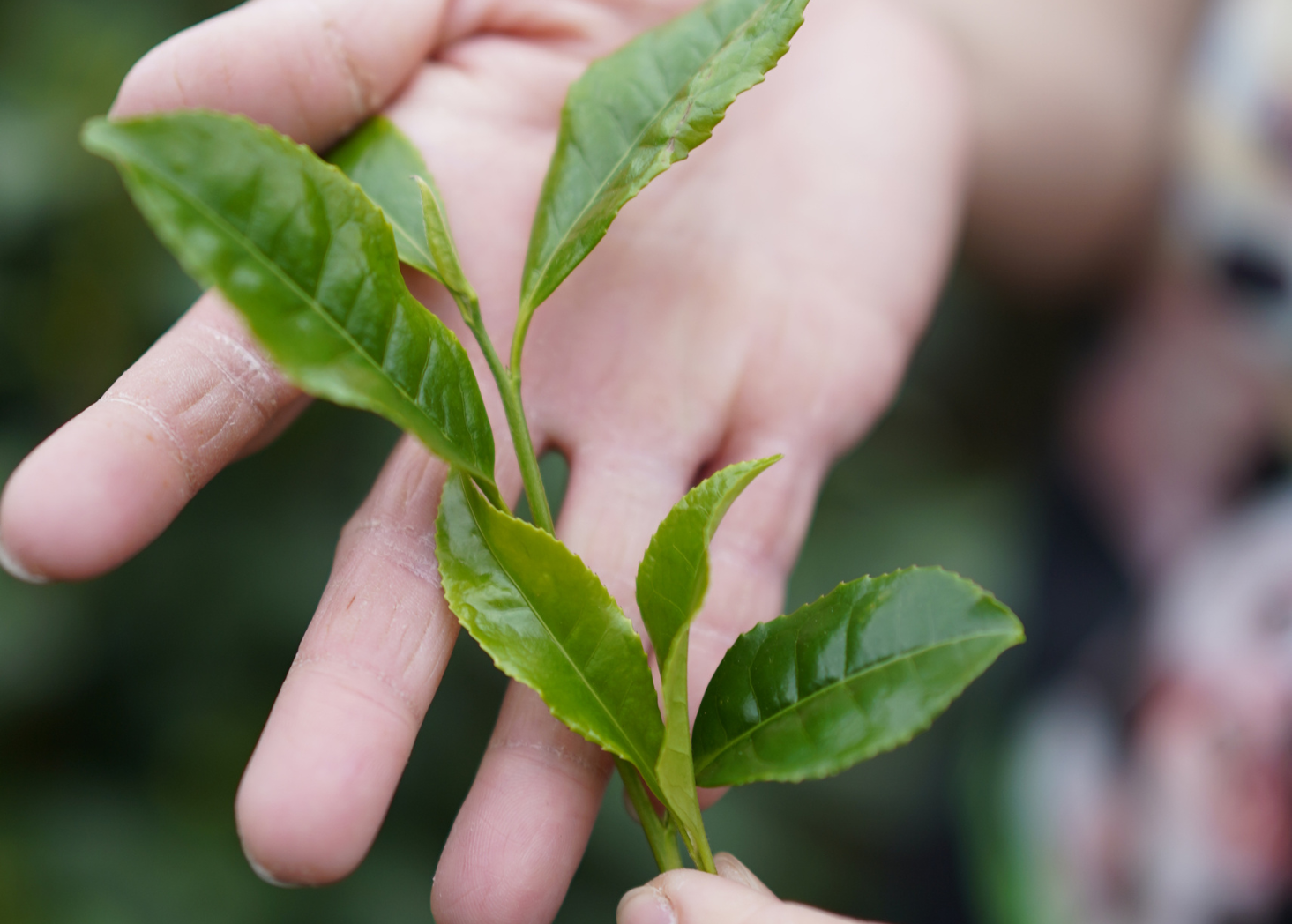
First Harvest, or Ichibancha, refers to the first flush of tea leaves harvested in spring after the tea plant emerges from winter dormancy. This is also referred to as “first flush.”
These young leaves are often prized for their:
Sweetness
Umami
Vibrant green color
Complexity
Because tea plants spend winter storing nutrients, the first harvest is generally considered the most desirable harvest for premium matcha production.
4. CULTIVAR
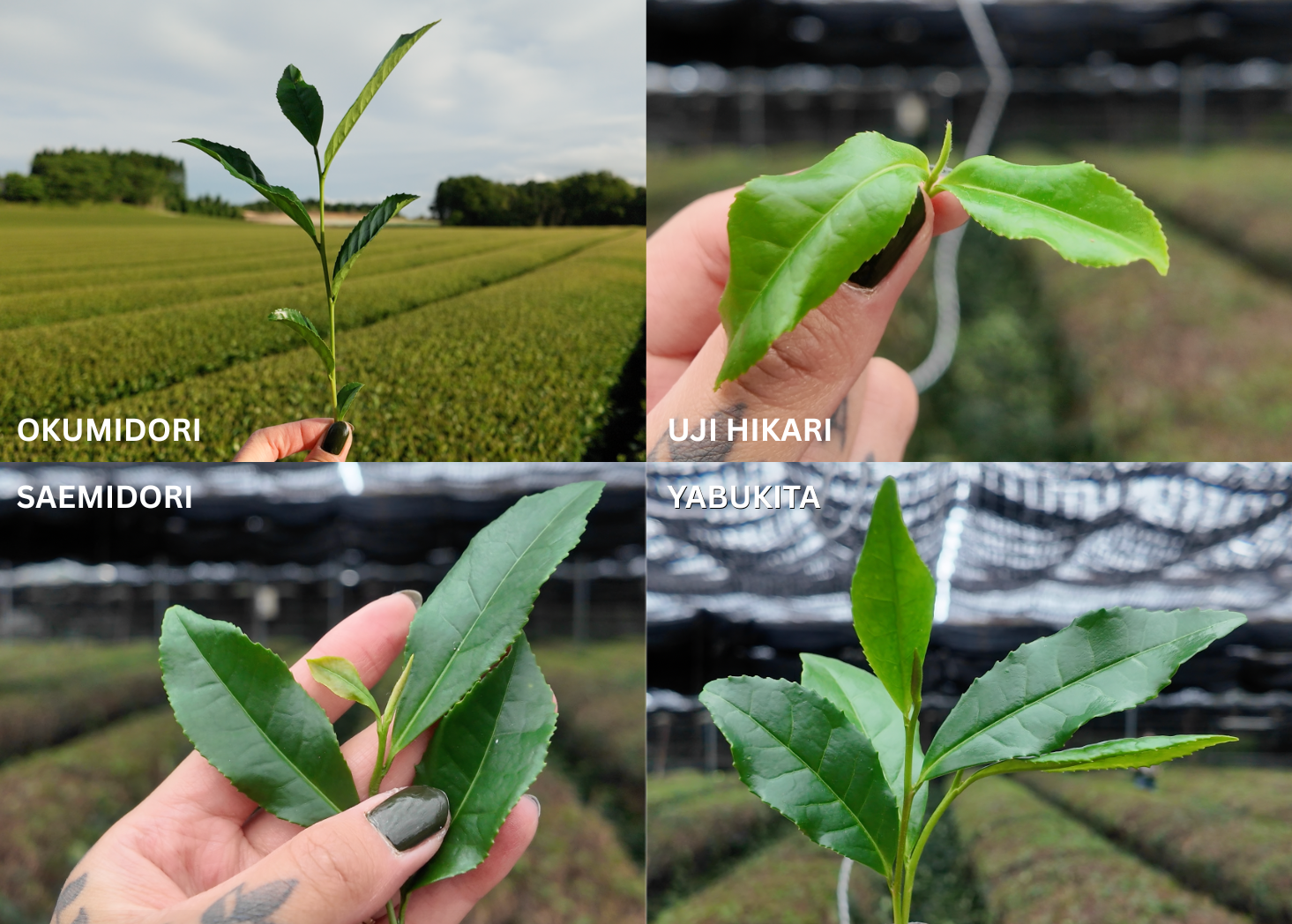
A cultivar is a specific variety of tea plant.
If you’re familiar with specialty coffee, think of cultivars similarly to coffee varietals.
Examples of cultivars include:
Okumidori
Saemidori
Samidori
Asahi
Yabukita
Different cultivars contribute different characteristics, including:
Flavor
Aroma
Sweetness
Umami
Color
Texture
Understanding cultivars helps teams better explain why one matcha may taste different from another.
Single Cultivar vs. Cultivar Blend
A single-cultivar matcha is made from one tea cultivar.
A cultivar blend combines multiple cultivars.
One of the most common misconceptions in the category is that blends are lower quality than single-cultivar matcha. They’re not.
Many of the world’s most respected matcha products are blends.
Blending allows producers to create consistency, balance flavor, achieve specific color targets, and maintain desired characteristics across harvests and lots.
Single cultivar does not automatically mean higher quality.
Blend does not automatically mean lower quality.
They’re simply different approaches.
5. Origin
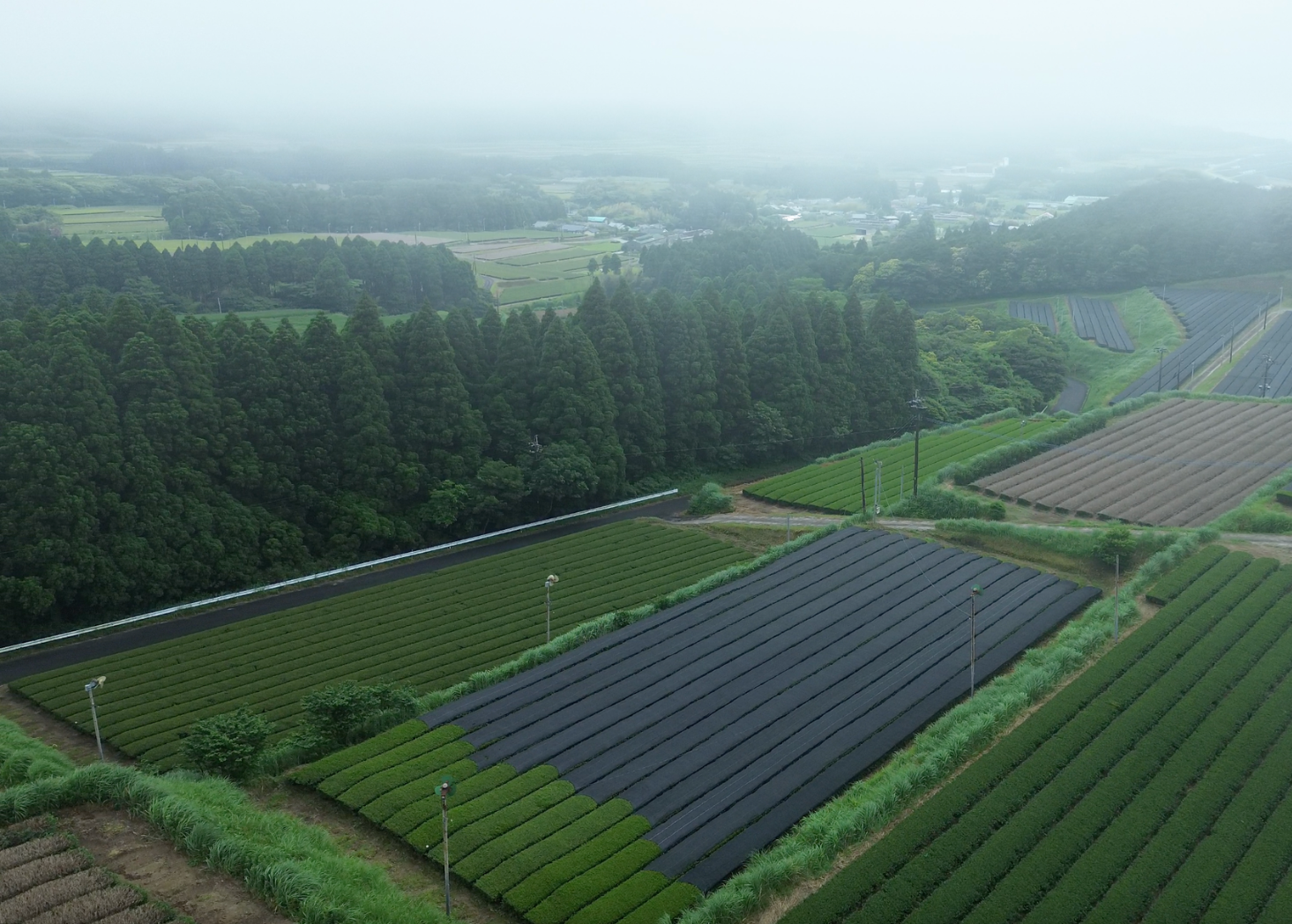
Origin refers to where the tea was grown.
Examples include:
Uji (Kyoto)
Yame (Fukuoka)
Nishio (Aichi)
Kagoshima
Miyazaki
One of the most common mistakes we see is people confusing origin and cultivar. They are not interchangeable.
Origin = where the tea was grown.
Cultivar = what variety of tea plant was grown.
A matcha can be produced from the same cultivar but grown in different regions, resulting in very different flavor experiences.
6. TENCHA
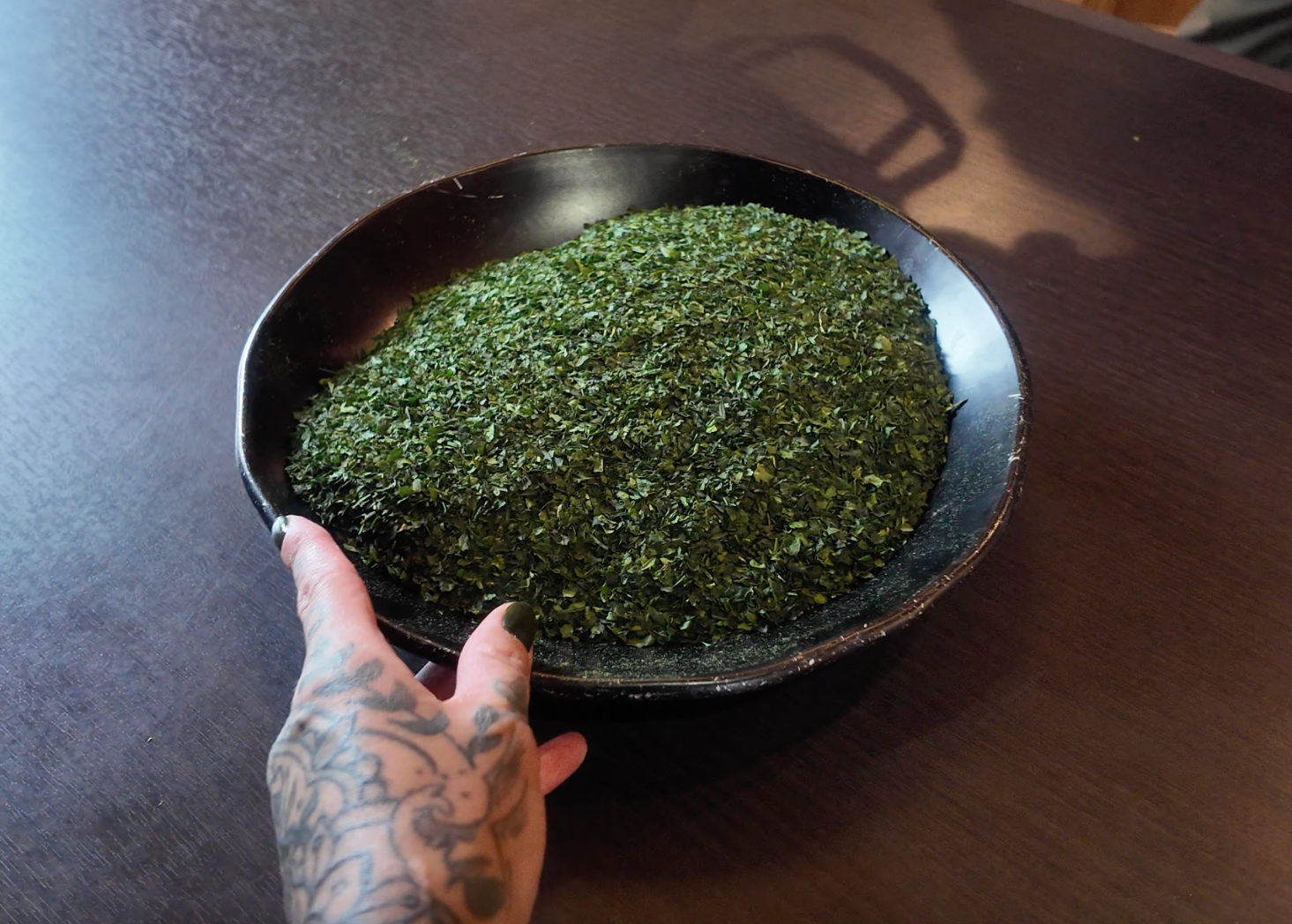
Before matcha becomes matcha, it starts as tencha.
Tencha is the shaded tea leaf that has been harvested, steamed, dried, and stripped of stems and veins before milling.
It is the raw material used to produce matcha.
No tencha, no matcha.
7. SHADE-GROWN

One of the defining characteristics of matcha production is shading.
Prior to harvest, tea plants are covered up to approximately ~25 days (sometimes longer) to reduce sunlight exposure.
This process contributes to:
Greater chlorophyll production
Rich green color
Increased amino acid (L-theanine) concentration
Enhanced umami
Shading is one of the key reasons matcha differs so dramatically from most other green teas.
8. USUCHA
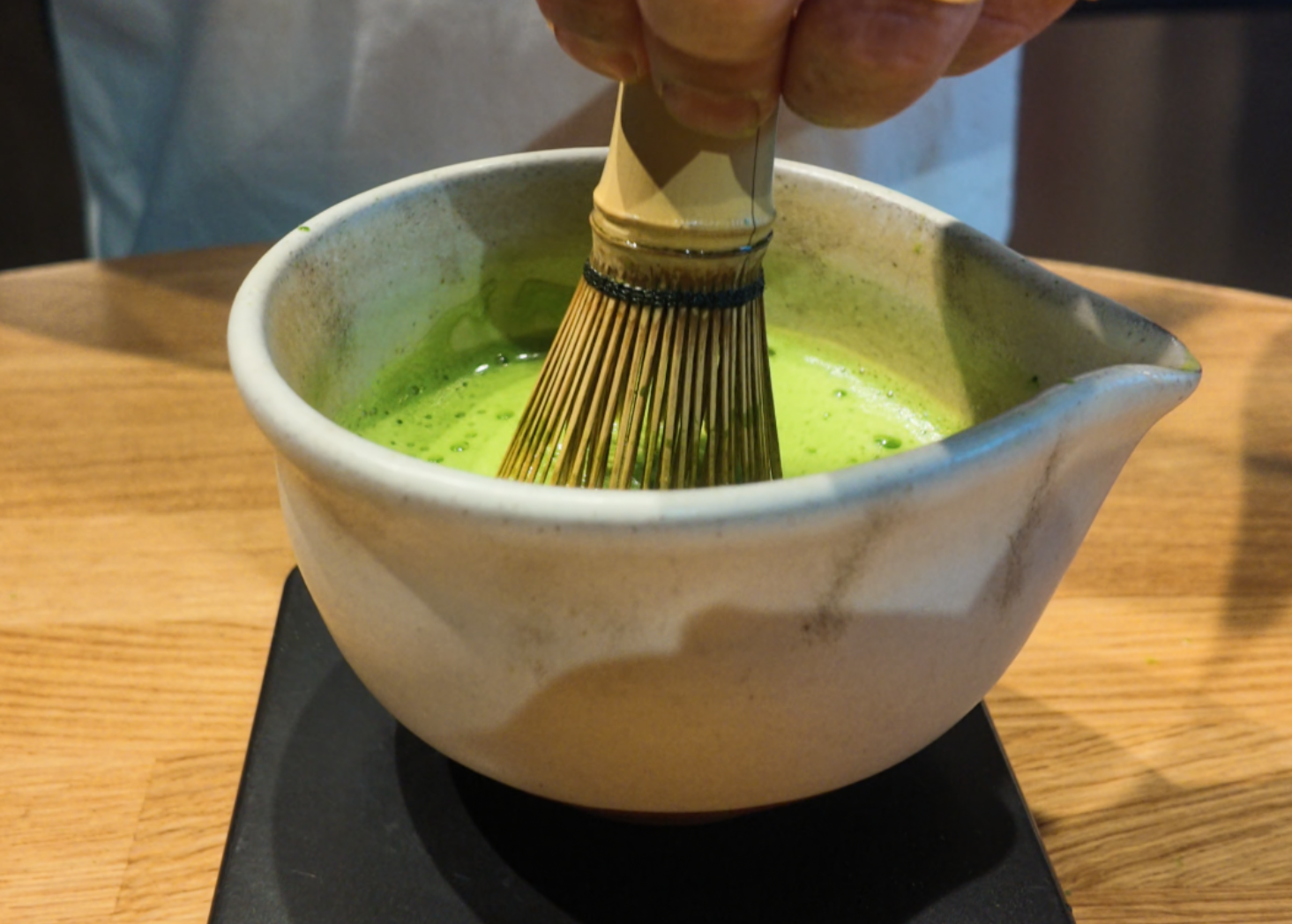
Usucha translates to “thin tea.”
It is the most common style of traditional matcha preparation and what most customers imagine when they think of a bowl of matcha.
Usucha is prepared by whisking matcha with water until light and frothy.
In many cafes, this whisked matcha is commonly referred to as a “matcha shot” and serves as the foundation for matcha lattes and other matcha beverages. Most cafe matcha programs are built around matcha intended for usucha-style preparation.
9. KOICHA
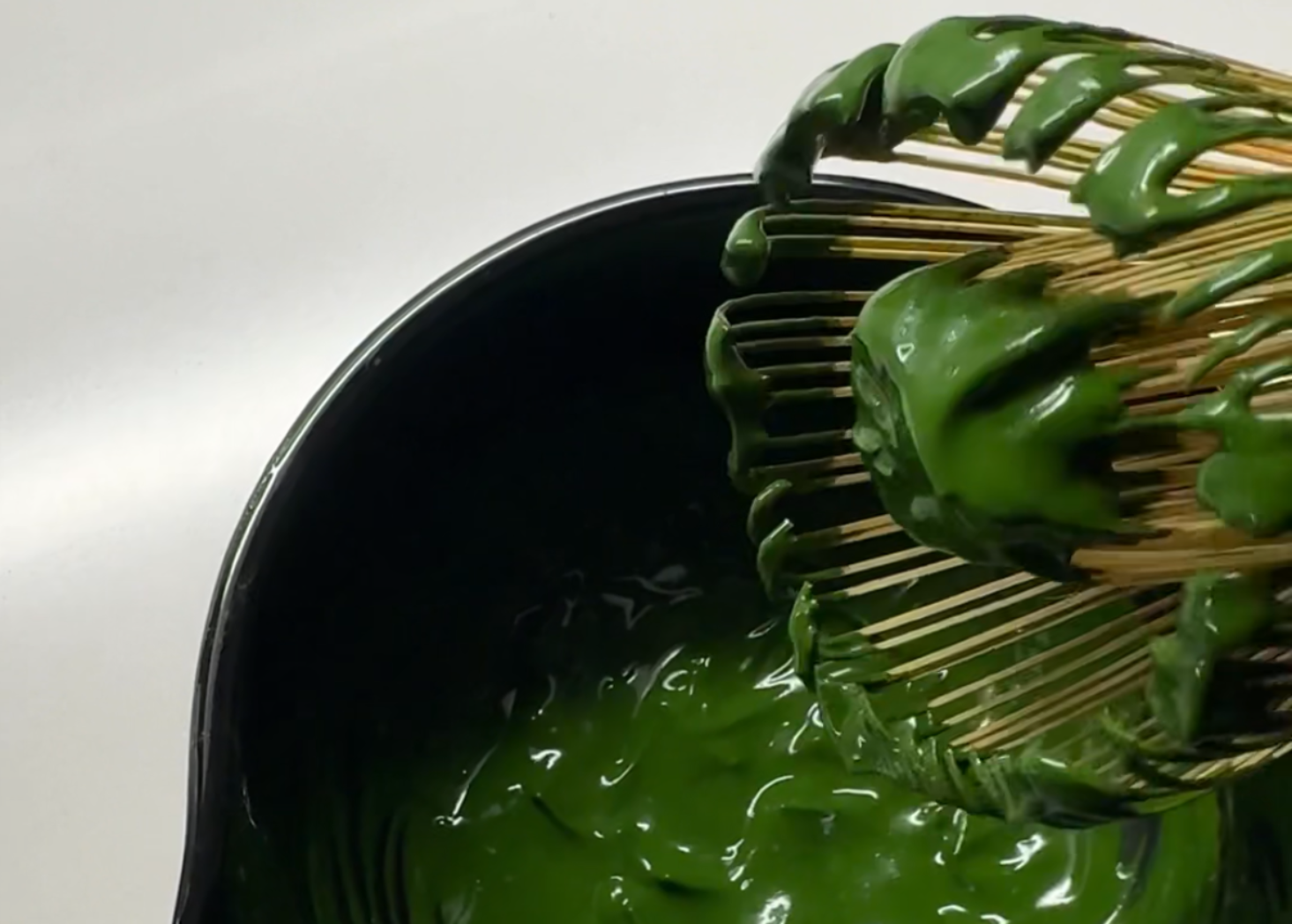
Koicha translates to “thick tea.”
It uses a significantly higher matcha-to-water ratio than usucha. Rather than being whisked into a foam, koicha is mixed into a thick, paste-like, concentrated consistency.
Because there is nowhere for flaws to hide, only high-quality matcha is generally suitable for koicha preparation.
Some cafes use what they refer to as the "paste method," where a small amount of water is mixed with matcha to create a concentrated paste before additional liquid is added. While this technique shares similarities with koicha in its consistency, it is important to note that a matcha paste used during beverage preparation is not necessarily the same as traditional koicha.
10. CHAWAN
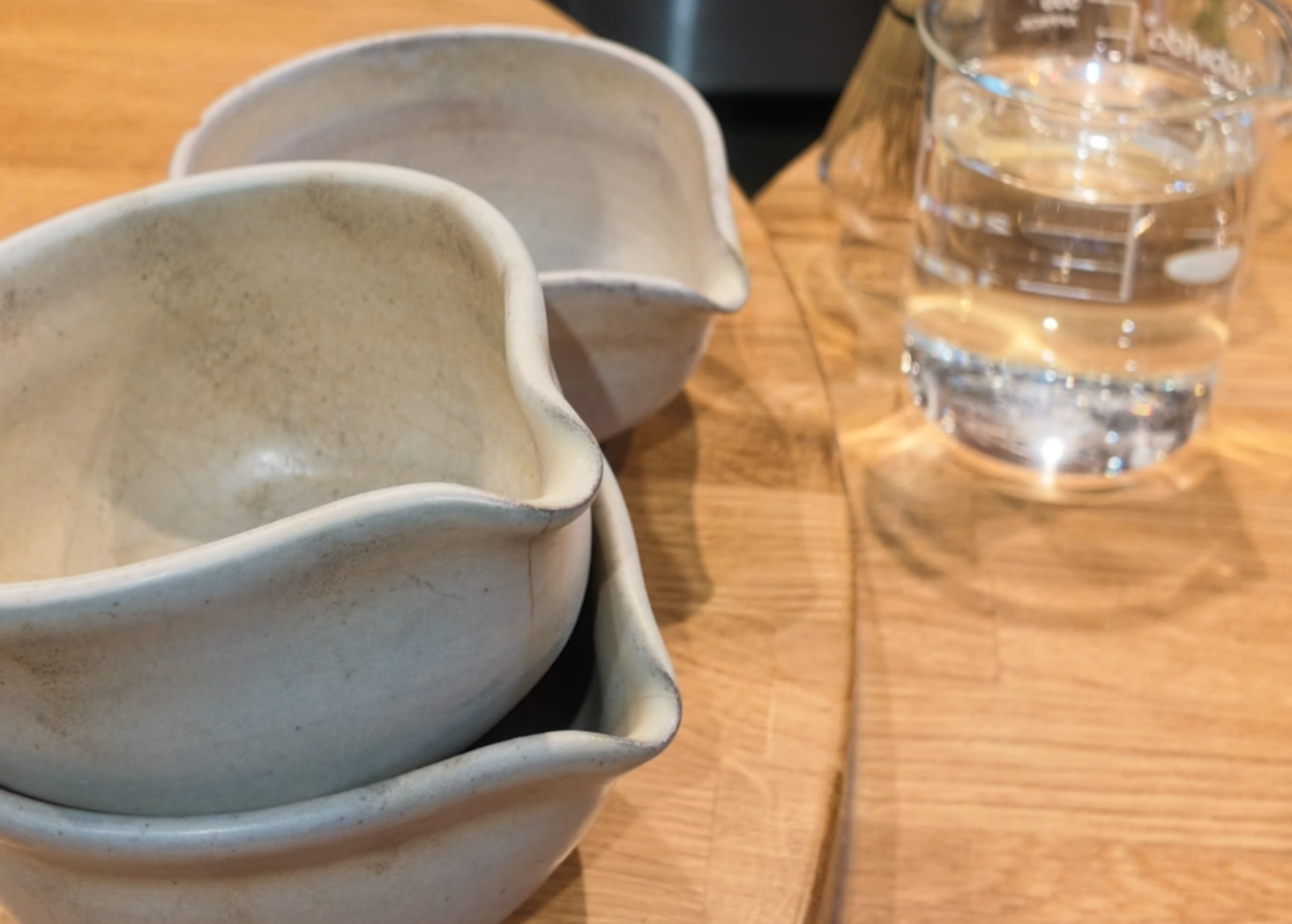
A chawan (tea bowl) is a bowl used for preparing and drinking matcha.
Traditionally, matcha is sifted and whisked directly in the chawan, which provides enough space to whisk effectively and create a smooth, frothy usucha.
In many cafes, a dedicated matcha bowl or other mixing vessel may be used in place of a traditional chawan.
11. CHASEN
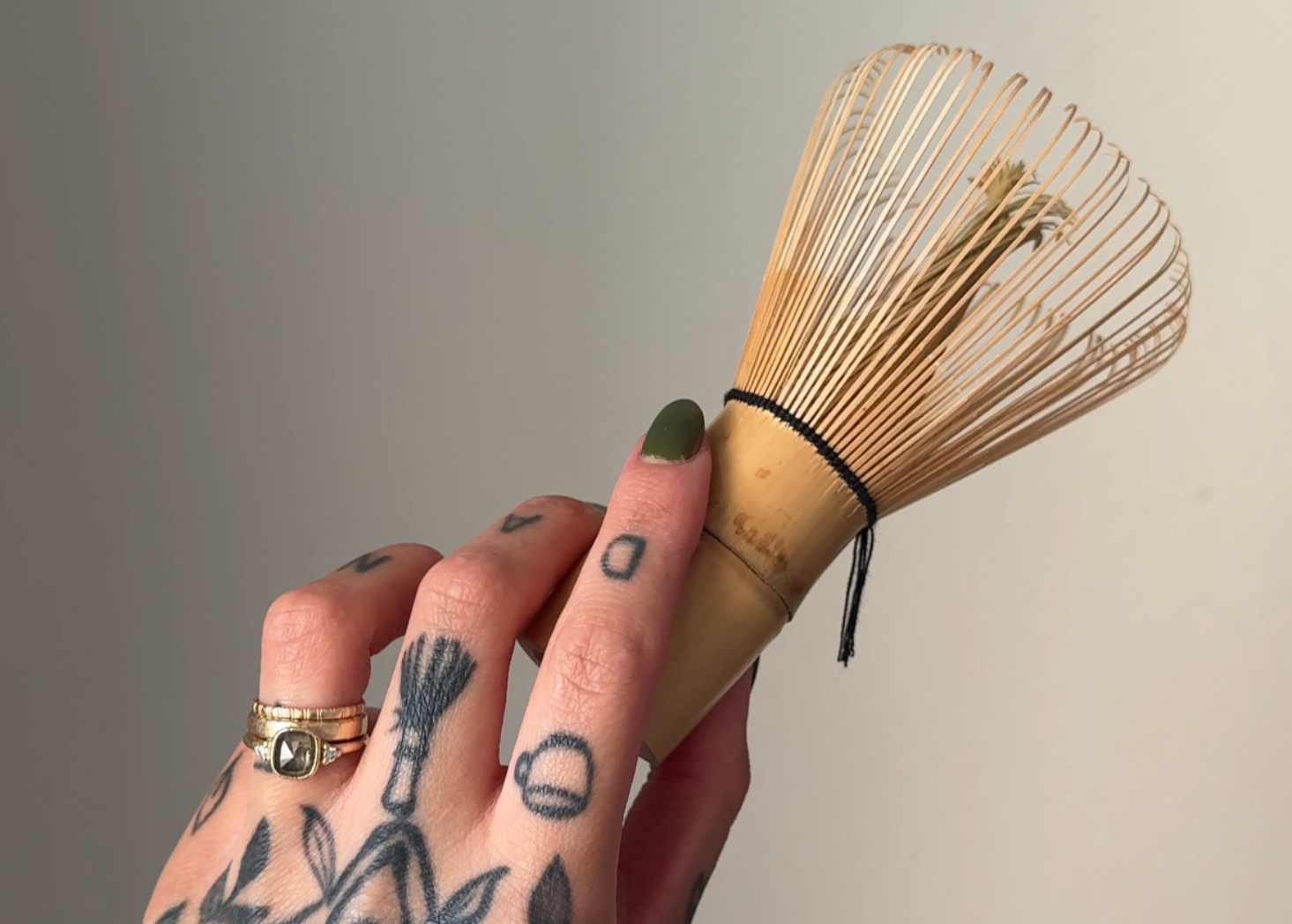
A chasen is a bamboo whisk used to prepare matcha.
Its fine tines are designed to help disperse matcha particles evenly throughout the water while incorporating air to create a smooth texture and foam.
Traditionally, bamboo chasen are the preferred tool for preparing matcha and remain an important part of Japanese tea culture.
However, high-volume cafes should carefully consider whether bamboo whisks are the best fit for their operation.
Unlike dedicated matcha cafes, many coffee-focused cafes prepare matcha intermittently throughout the day. Bamboo whisks may sit wet between orders, be left soaking in water for extended periods, or experience inconsistent cleaning and storage practices. Over time, this can lead to warped, broken, or mold-prone whisks that negatively impact both drink quality and food safety.
For many cafes, a high-quality Japanese-made resin whisk can be a practical alternative. Resin whisks are durable, easy to clean, resistant to water damage, and better suited to the demands of busy service environments while still producing excellent results.
Choosing a resin whisk does not mean a cafe cares less about matcha culture. In many cases, it reflects an understanding of the realities of cafe operations and a commitment to consistency, sanitation, and quality.
If your cafe hand-whisks matcha to order, we recommend reviewing our guide on hand-whisking best practices, where we cover whisk selection, sanitation considerations, maintenance, and workflow recommendations for cafe environments.
12. CHASHAKU
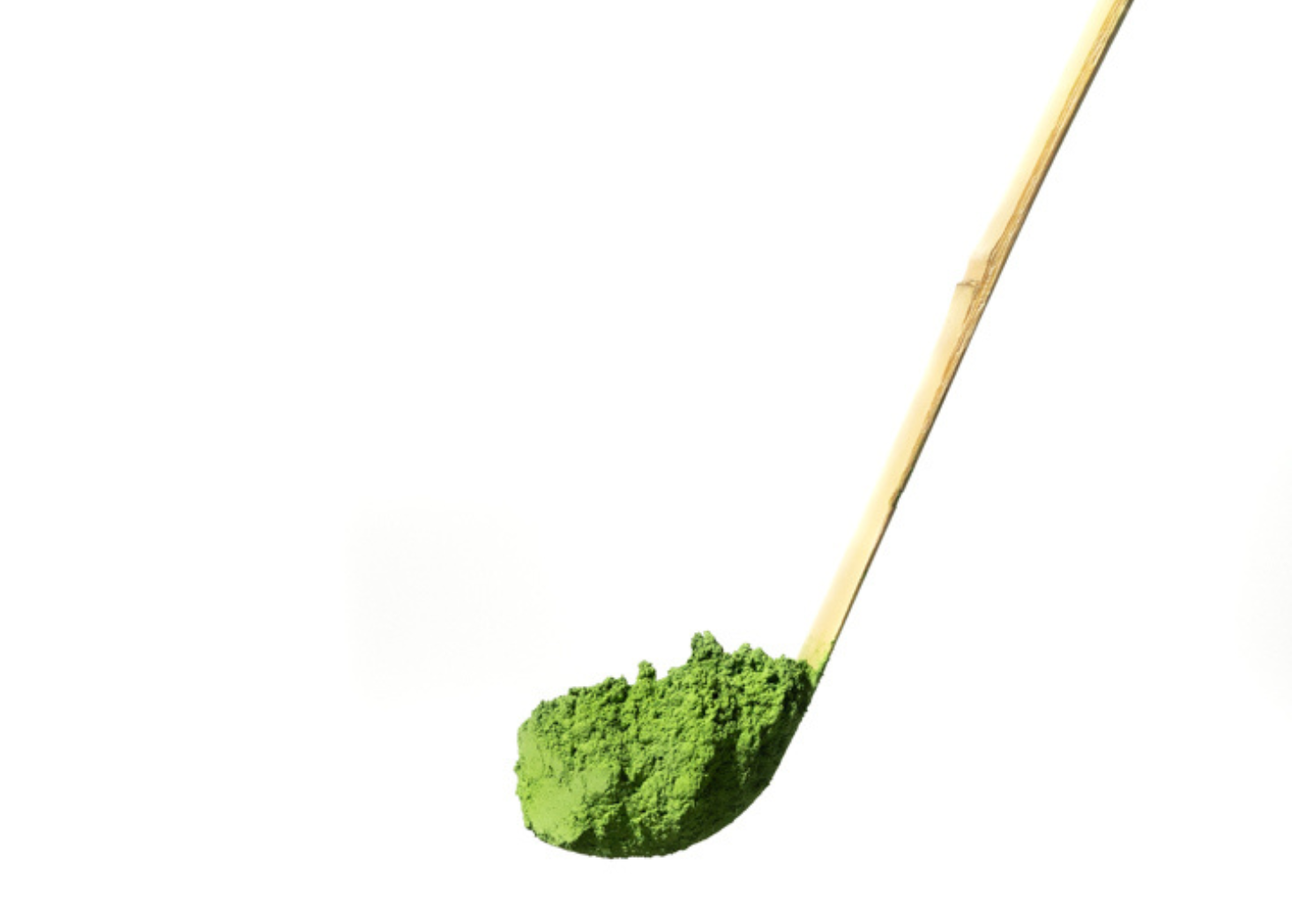
A chashaku is a traditional bamboo scoop used to portion matcha.
Historically, matcha was measured using chashaku scoops rather than grams. Today, many cafes use scales for greater consistency, but the chashaku remains an important tool in traditional matcha preparation and tea ceremony.
It’s important to note that a bamboo chashaku was designed to scoop matcha, not sift it through a mesh sieve.
In high-volume cafe environments, repeatedly pushing a bamboo chashaku against a metal sieve can gradually wear down the bamboo over time. This not only shortens the lifespan of the tool but can also result in small bamboo particles finding their way into beverages.
For cafes that sift matcha throughout service, we recommend using a dedicated spoon or scoop for sifting and reserving the chashaku for its intended purpose: portioning matcha.
13. CHAZUTSU (TEA Container)
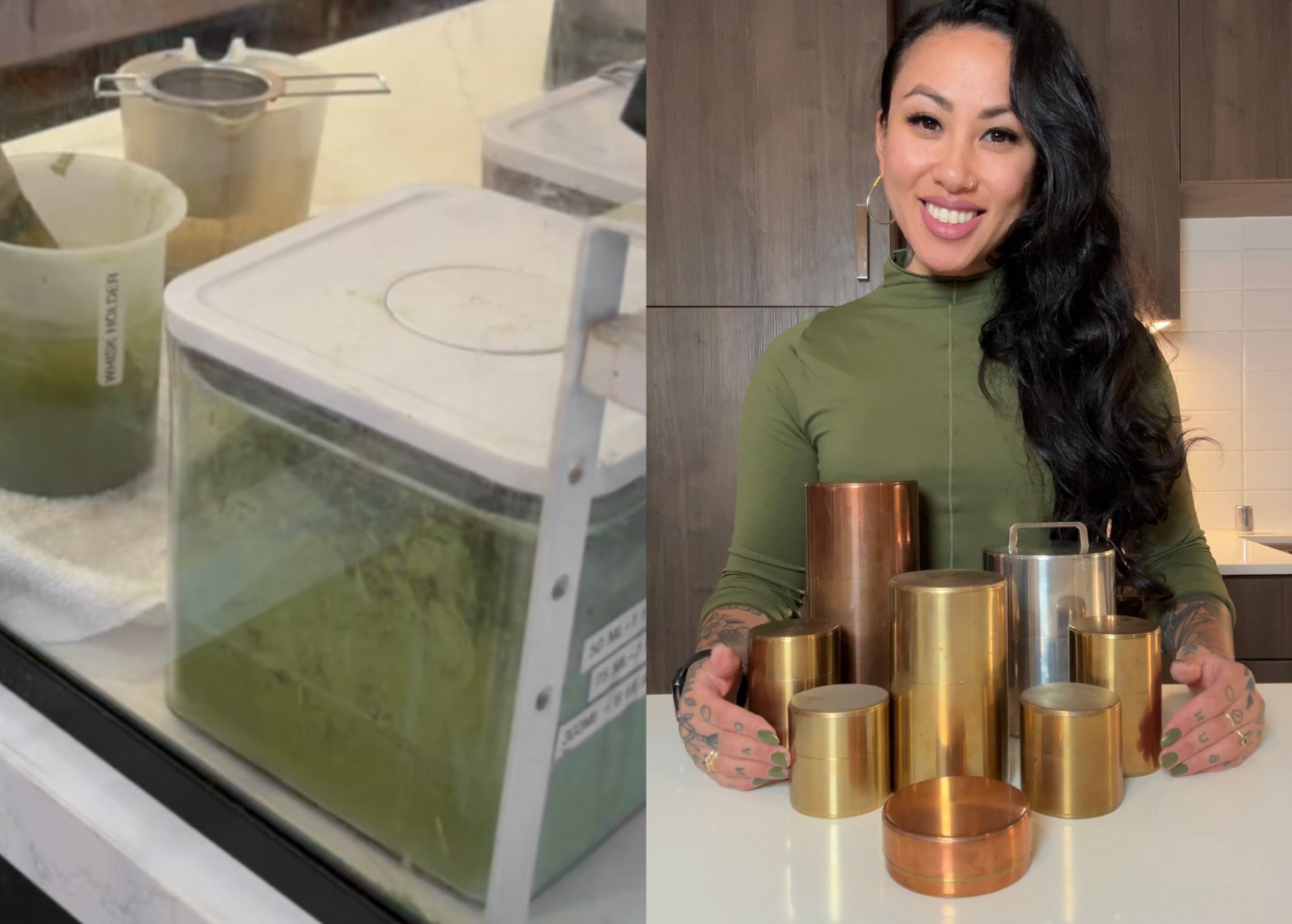
A chazutsu is a container used to store tea (sometimes referred to as a “tea caddy.”) In a cafe setting, the container used to store matcha for service plays an important role in preserving quality.
It’s common to see matcha displayed in large, clear containers. We understand the allure. Matcha’s vibrant green color is beautiful and can help communicate freshness and quality to customers.
However, matcha is an incredibly delicate ingredient.
Exposure to light, oxygen, heat, and humidity accelerates degradation, causing matcha to lose its vibrant color and fresh flavor over time.
For this reason, we generally recommend storing matcha in a small to medium-sized dark, airtight container and replenishing it throughout service as needed. This minimizes the amount of matcha exposed to air and light while helping maintain consistency from the first drink of the day to the last.
The goal of a matcha container is not to showcase the product. It’s to protect it.
Just as cafes take care to store coffee properly, matcha deserves the same level of consideration.
A thoughtfully chosen matcha container communicates something important about your program: that quality doesn’t stop at sourcing. It extends to how the product is handled, stored, and served.
Final Thoughts
While there are far more matcha terms we could cover, these are the terms we believe every customer-facing team member should understand as a foundation.
The goal isn’t to memorize terminology for the sake of sounding knowledgeable. It’s to equip your team with enough context to confidently answer questions, tell the story behind the matcha they serve, and create a better customer experience.
As matcha continues to grow, customers will become more curious. They’ll ask questions about quality, sourcing, cultivars, origins, and preparation. The cafes that invest in education today will be better positioned to meet that curiosity tomorrow.
Knowledge builds confidence.
Confidence builds trust.
Trust increases perceived value.
And perceived value helps customers better understand why specialty matcha is worth investing in.
Because specialty matcha is valuable.
Your team’s ability to communicate that value matters.
What matcha term should we cover next? Let us know in the comments and we’ll include it in Part 2.
Need support building a stronger matcha program?
A strong matcha program isn’t just the matcha in the pouch or the recipe behind the bar.
It’s the product, preparation, systems, education, people, and experience working together.
If this article has you thinking about opportunities within your own cafe, I’ve created resources through Matcha Program specifically to help cafe owners, operators, and baristas strengthen those pieces.
Start with the free Matcha Program Audit.
My 90+ point self-assessment walks you through 11 areas of your matcha program to help you identify what’s working, where there may be gaps, and where to focus next.
Book a private Matcha Program Assessment.
If you want another set of eyes on your program, I offer private assessments where we can take a deeper look at your matcha, recipes, preparation, workflows, equipment, training, customer education, and overall program experience, then identify practical opportunities for improvement.
Bring matcha education to your team.
I also offer private training and workshops for cafe teams, including customized programming based on your team’s needs. That can include matcha quality and evaluation, preparation, recipes, workflows, customer education, and helping your baristas build the confidence to actually talk about the matcha they’re serving.
Because ultimately, you shouldn’t have to choose between an incredible matcha program and an incredible customer experience.
The strongest cafes build both.
Ready to strengthen your matcha program? Explore all resources, training, assessments, and ways to work with me here ⬇️
About Us (and Matcha Program)
Hi, we are Jules Reyes and Marc St Raymond. We have spent over a decade in the matcha industry, most notably as part of the founding team at Jade Leaf Matcha, advising U.S. and Japanese-founded specialty matcha brands, consulting with cafes, building communities of matcha lovers both online and offline, and most importantly, as obsessed matcha consumers who have witnessed the industry and customer perceptions evolve.
Our work lives at the intersection of brand building, foodservice collaboration, and close ties with tea producers in Japan. We create this content for high-volume cafes managing both coffee and matcha programs, where efficiency, quality, and storytelling must coexist to keep service moving and customers happy.
If you are a specialty coffee shop that is proudly coffee-only, a teahouse rooted in ceremony, or a matcha bar dedicated exclusively to slow, traditional service, this may not be the content for you. Your lane is equally important, but different from the context we are writing for.
Our goal with The Matcha Program is to provide practical, context-driven education that helps cafes feel confident in designing matcha programs that make sense for their unique environment. This space is about making matcha education relevant, approachable, and actionable, so baristas and operators feel empowered to serve drinks they are proud of and programs that stand out.
Time is our most valuable resource. We appreciate you sharing yours to read this piece.
🍵 Cheers, Jules + Marc
