

Matcha Quality in U.S. Cafes: Why Water Temperature Is the Number One Variable to Dial In
TL;DR for Busy Operators
Water temperature is the number one factor that influences matcha taste and quality.
Ideal range: 140ºF to 175ºF, with 160ºF as the most consistent and operator-friendly standard.
Water that is too hot scorches the matcha, increases oxidation, dulls the color, and introduces bitter notes.
Even top-tier first harvest ceremonial matcha gets compromised when prepared with water that is too hot and beyond matcha’s ideal range.
Use temperature-controlled kettles or water dispensers for best results.
Avoid hot water towers unless you temper the water using ice.
Build water temperature checks into training to ensure consistent results.
Water temperature is the single most impactful (and easiest) variable to dial in for a dramatically better matcha experience.
Across major U.S. cafe markets like New York, Los Angeles, Chicago, Portland, and San Francisco, along with incorrect storage protocols, incorrect water temperature is a top reason matcha tastes bitter, looks dull, or fails to meet customer expectations. The best part? This is a fix you can implement today.

Jules and Marc enjoying iced matcha americanos at a popular matcha destination in Chicago, IL.
One of the first things we do when evaluating a cafe for the first time is order a hot matcha americano. It is one of the most telling drinks on the menu. If a cafe prepares matcha with overheated water, the americano delivers that immediately. There is nowhere for poor technique to hide. When the water is correct, the drink is vibrant, clear, smooth, and expressive. When it is not, it is instantly noticeable. This single beverage reflects exactly how knowledgeable a team is about caring for and preparing matcha.
This guide breaks down why water temperature matters, the ideal range, and practical tools your barista team can use to ensure consistency across high-volume workflows.
Why Water Temperature Matters in Matcha Preparation
Matcha is more delicate than coffee or espresso. Unlike coffee or loose-leaf tea, it is made from stone-milled tencha leaves that are shade-grown, steamed, dried, and milled into a fine powder. This means:
Heat interacts directly with the leaf, not through a filter or steeping process.
Water that is too hot will ‘burn’ the powder, increasing the rate of oxidation and compromising aroma, color, and flavor.
Water that is too cold or room temperature can inhibit matcha from fully expressing aromatic and flavor compounds.
Across hundreds of cafes we have audited in cities like San Francisco, Austin, and NYC, water temperature consistently emerges as the fastest and most cost-effective variable to optimize. When operators correct it, customer satisfaction improves immediately.
The Ideal Water Temperature Range for Matcha (140ºF to 175ºF)
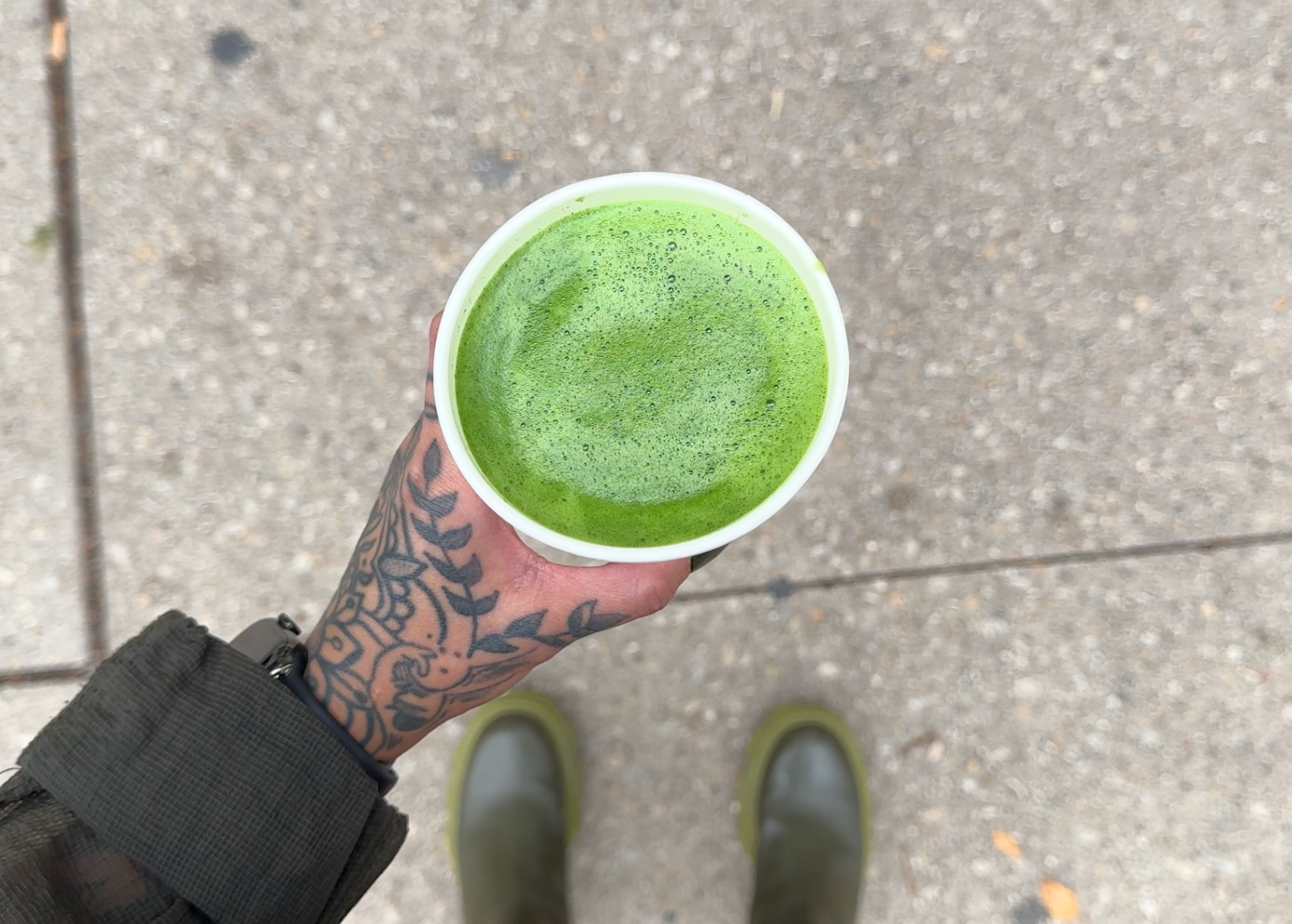
Jules holding a hot matcha americano prepared within matcha’s ideal temperature range. The matcha maintained its vibrant green color.
Most matcha professionals, including teams across Japan, align on a temperature window of 140ºF to 175ºF. While 140ºF falls within the acceptable range, it often lands too lukewarm when preparing a hot matcha americano, resulting in a cup that lacks the warmth and aromatic expression customers expect from a hot beverage.
At the Matcha Program, we recommend a simple and repeatable standard for U.S. cafes:
🍵 Aim for 160ºF.
It is:
Easy to remember
Easy to implement across staff
Consistent across iced and hot formats
Within matcha’s ideal range
160ºF provides the perfect middle ground for:
Hand-whisked matcha
Matcha for lattes
Matcha shots for high-volume workflows
Iced beverages (it blends smoothly before being cooled by ice or milk)
This single number, 160ºF, can eliminate the variability that challenges so many cafe matcha programs.
What Happens When the Water Is Too Hot
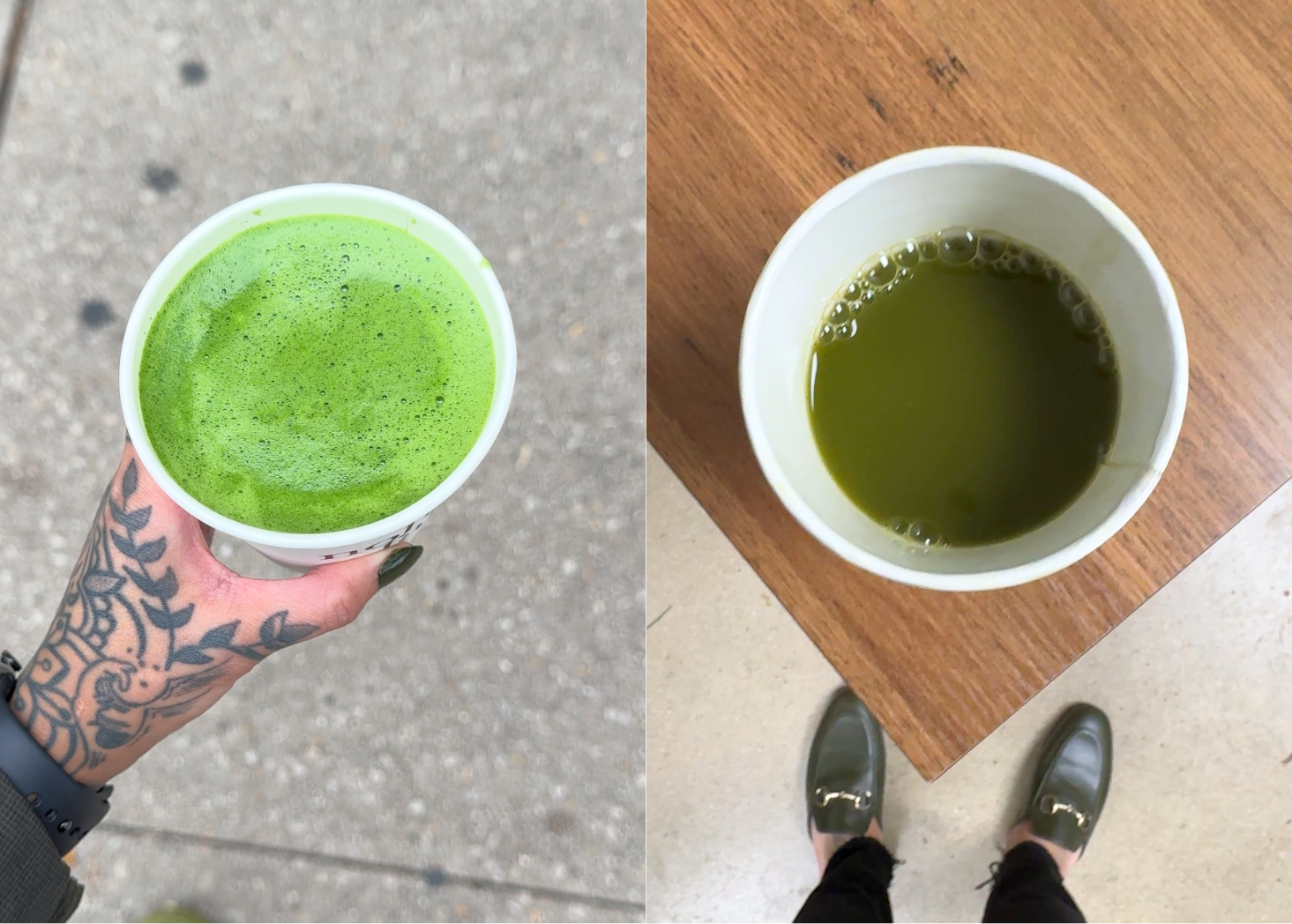
Left: hot matcha americano prepared within matcha’s ideal temperature range. The color and vibrancy are maintained. Right: hot matcha americano prepared with hot water from a water tower at a specialty cafe that sources its own matcha. The matcha color is dull due to increased oxidation from hot water.
Using water above matcha’s ideal range, especially common with coffee hot water towers, creates several issues.
1. Increased Oxidation
High heat accelerates oxidation instantly. You will notice:
A duller, murky green color
A loss of aroma
2. Burnt Flavor Notes
Overheated water burns the matcha, introducing:
Sharp bitterness
A thin, harsh finish
Even a premium first-harvest ceremonial matcha will taste subpar when prepared with overheated water.
3. Washed-Out Color and Poor Visual Appeal
If your matcha looks yellowish, brownish, or dull instead of vibrant, water temperature is almost always the culprit.
4. Customer Perception Takes a Hit
Guest experience, especially in competitive markets like Portland, LA, Chicago, and NYC, is shaped by consistency.
Incorrect water temperature communicates to customers that the cafe does not fully understand matcha.
Optimizing this single step instantly elevates your program’s professionalism.
A Related Variable Many Cafes Miss: Milk Temperature in Hot Matcha Lattes
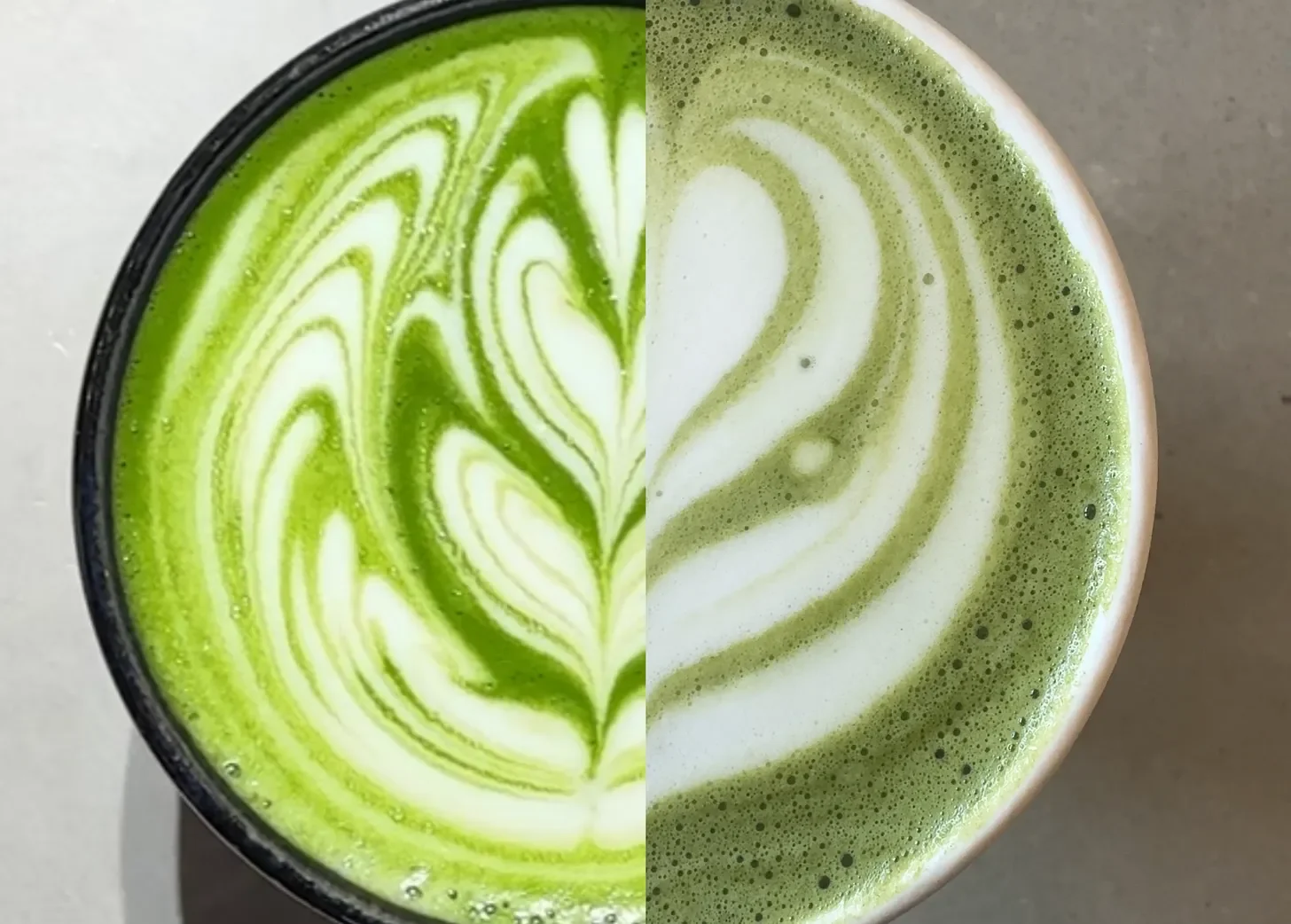
Even if your cafe prepares matcha within the ideal water temperature range, the final drink can still taste overly bitter, sharp, or harsh if the milk is steamed too hot.
Overheated milk creates a parallel issue:
It amplifies bitterness
It suppresses natural sweetness
It introduces a scorched, bitter flavor that customers often blame on the matcha itself
For hot matcha lattes, aim to steam milk to the same temperature range used for coffee beverages, avoiding overheating beyond the point where milk naturally sweetens. Milk that is too hot can undo the care you put into preparing the matcha correctly.
This is one of the most common hidden variables behind customer complaints like:
“This matcha tastes burnt” or “This matcha is too bitter.”
In reality, the matcha was prepared correctly, but the milk compromised the final cup.
Ideal Water Temperature for Batched Matcha in High-Volume Cafes
When it comes to batching matcha, there is no single universal temperature standard. Cafe and popup operators who batch matcha often experiment to dial in the preparation method that best allows the matcha to express its full aromatic and flavor profile while delivering a consistent customer experience throughout the day. Unlike single-serve preparation, batching introduces workflow variables such as holding time, separation, and oxidation, which makes temperature choice especially important.
Many operators begin with water in the mid to high end of the matcha range, typically between 160ºF and 175ºF. Using hotter water at the start encourages matcha’s aromatic and flavor compounds to fully express themselves. Once the matcha is fully incorporated, operators then add chilled or room temperature water to bring the batch down to a stable working temperature. Lowering the final temperature helps slow oxidation, preserves color and aroma, and creates a batch that maintains quality from the first pour to the last.
This approach of combining higher initial water temperatures with cooler dilution water allows cafes to balance expressiveness and stability. It showcases nuanced flavors in matcha while ensuring that the batch remains vibrant, smooth, and consistent across a full service window. If your cafe batches matcha, experimenting within these parameters can help you identify the ideal method for your menu, workflow, and customer expectations.
How Cafes Can Control Water Temperature (Easy Workflow Upgrades)
The good news: controlling water temperature does not require expensive equipment or major bar redesigns. Here are proven, operator-friendly solutions.
1. Temperature-Controlled Kettles (Best for Consistency)
Brands like Fellow, Bonavita, and Brewista allow staff to set an exact temperature, which is ideal for cafes that prioritize quality.
These kettles:
Hold temperature reliably
Are inexpensive relative to coffee equipment
Enable baristas to produce repeatable results
Best for slower-paced specialty cafes, matcha-forward menus, and small-format bars.
2. Temperature-Controlled Water Dispensers
Some cafes in San Diego, Seattle, and NYC install water systems that allow programmable temperature presets.
Benefits include:
High-volume friendly workflows
Reduced training load
Elimination of human error
This is an excellent long-term investment for cafes with matcha as a core menu item.
3. Avoid Using Hot Water Towers (Unless You Modify Them)
Traditional hot water towers are designed for:
Coffee
Tea bags
High heat applications
These systems usually sit between 195ºF and 205ºF, which is far too hot for matcha.
If a hot water tower is your only option:
Take a temperature reading
Add 2 to 4 ice cubes to bring the water down into the safe range
Train staff to always temper the water before mixing
This single adjustment drastically improves the final cup.
4. Build Water Temperature Checks Into Training
Teams in high-volume cafes benefit from simple SOPs:
Check temperature at the start of each shift
Write 160ºF on your matcha station SOP
Create a color-coded cheat sheet for new baristas
Add temperature checks to barista onboarding
Even a 30-second calibration ritual maintains consistency across teams.
Mastering water temperature is one of the simplest and most transformative steps a cafe can take to elevate its matcha program. It signals intention, raises the quality of every matcha drink on the menu, and builds trust with guests who increasingly know what great matcha should taste like. When operators and baristas understand how temperature impacts flavor, color, and overall experience, they begin to unlock the full potential of the product they are investing in. Small changes add up quickly, and this particular variable is one that pays off immediately. At the Matcha Program, our goal is to empower cafes with practical systems like this so teams can serve matcha with the same precision, consistency, and care typically reserved for coffee.
