
Hospitality Might Be the Most Underrated Part of Your Matcha Program
I spend a lot of time thinking about what makes a great matcha program.
The matcha matters, of course. So do the recipes, preparation, equipment, workflow, consistency, education, sourcing, menu design, and all of the operational details that determine what eventually makes it into a customer’s cup.
But after visiting countless cafes over more than a decade in the matcha industry, I think there’s another part of the program that doesn’t get talked about nearly enough:
How people feel when they’re in your space.
There are specialty matcha and tea cafes that have done an incredible job elevating matcha while also prioritizing the customer experience. They’re thoughtful about the product, but they’re equally thoughtful about the people drinking it.
Increasingly, I’m seeing the opposite.
Beautiful spaces. Beautiful branding. Great matcha. Thoughtful menus. Expensive equipment. Drinks designed for social media. Huge following.
But an experience that ends at the cup.
This has stood out to me most recently at cafes that have built their entire concept around matcha.
My expectations are naturally different when I walk into a general cafe managing both a coffee and matcha program vs. a specialty matcha cafe whose entire identity is centered around the category.
When matcha is the concept, there is an enormous opportunity to bring customers into the world you’ve created.
That’s where hospitality becomes part of the matcha program.
Customer service and hospitality aren’t the same thing
The two are often used interchangeably, but I think the distinction matters.
Customer service is what you do for the customer.
You take their order accurately. You make their drink correctly. You answer their question. You resolve a problem. You keep the line moving.
These things matter. Good customer service is the baseline for running a functional cafe.
Hospitality is how you make the customer feel while you’re doing it.
Do they feel welcomed?
Do they feel acknowledged?
Do they feel comfortable asking a question?
Do they feel like your team is excited to have them there?
Do they leave understanding something about your cafe, your matcha, or the experience that they didn’t know before?
Most importantly: Do they want to come back?
You can technically provide good customer service without creating much hospitality at all and most of us experience exactly that.
I’ve walked into beautiful specialty matcha cafes and received the drink I ordered without anything technically going “wrong.” But I wasn’t greeted. There was little engagement. There wasn’t an invitation to explore the menu or learn what made the concept special.
The transaction happened.
The hospitality didn’t.
Social media gets them through the door. Your team gives them a reason to return.
Social media has fundamentally changed cafe discovery.
A beautiful drink can reach hundreds of thousands of people overnight. A thoughtfully designed space can become a destination. TikTok and Instagram can generate lines out the door before someone has even tasted what you’re serving.
That’s incredibly powerful.
But getting someone through the door for the first time is only the beginning.
The work begins with every customer who walks through it.
Every interaction gives your team an opportunity to turn awareness into connection, curiosity into education, and a first-time visitor into someone who genuinely wants to return.
This matters even more for specialty matcha cafes because many of the people walking through your doors are still learning about matcha.
They may not understand the difference between cultivars.
They may not know why one matcha costs more than another.
They may have never tasted matcha without milk.
They may not understand why you sourced a particular tea, why you prepare it a certain way, or why your menu looks different from the cafe down the street.
If your cafe has gone through the effort of sourcing incredible matcha, developing thoughtful recipes, designing a beautiful space, and building an entire concept around this category, your baristas are the bridge between all of that intention and the customer standing in front of them.
That’s a tremendous opportunity.
The best matcha isn’t always what brings me back
I’ve visited cafes where I can immediately see opportunities to improve the matcha program. Maybe the preparation isn’t exactly how I would approach it. Maybe the recipe could use some refinement. Maybe the workflow isn’t completely dialed in.
Yet, I return again and again. Because I enjoy being there.
Someone remembers me. The team says hello when I walk in. A barista gets excited to tell me about something new. They ask how my drink is. They’re curious. They’re warm. The space feels generous rather than transactional.
Those experiences build loyalty.
I’ve also had the opposite experience.
I’ve visited cafes serving incredible matcha with thoughtful sourcing, beautiful preparation, impressive equipment, and nearly every element of the program dialed in.
But I didn’t feel particularly welcomed, engaged, or cared for.
Despite how good the matcha was, I wasn’t particularly excited to return.
That’s something every specialty cafe should pay attention to.
You can perfect the product and still lose the customer.
Hospitality doesn’t mean giving every customer a matcha lecture
This is an important distinction.
Hospitality isn’t about overwhelming someone with information the second they walk through the door. Not every customer wants to know the cultivar, region, harvest, processing method, or tasting notes of their matcha. Some people just want their latte.
Hospitality is about learning to recognize the difference.
It’s reading the customer in front of you and creating opportunities for connection without forcing them.
A customer staring at your menu for two minutes might appreciate, “Is this your first time here? I’m happy to walk you through our matcha.”
Someone asking, “What’s the difference between these two?” has opened the door for education.
A regular who orders the same drink every Saturday might simply appreciate being remembered.
A customer ordering straight matcha might be interested in hearing that you just sourced a new cultivar.
These interactions don’t need to be long.
Sometimes hospitality is ten seconds.
The “soft skills” are really human skills
Hospitality often gets grouped into what we call “soft skills.” I prefer to think of them as human skills.
They’re the interpersonal skills that shape how someone experiences an interaction: warmth, curiosity, empathy, attentiveness, communication, reading the room, anticipating needs, and knowing when to engage and when to give someone space.
For some people, that interpersonal savvy feels almost second nature. They naturally notice the customer who’s been standing at the counter without being acknowledged. They can sense when someone is curious but hesitant to ask a question. They know how to make a recommendation without making someone feel uninformed.
But these skills aren’t simply something you either have or you don’t.
Human skills can be taught, practiced, and strengthened.
It requires intention, care, and a genuine desire to make people feel seen, welcomed, and taken care of.
As operators, we can’t expect every barista to intuitively know what great hospitality looks like if we’ve only trained them on how to make the drinks.
If hospitality matters to your business, it needs to become part of how you hire, onboard, train, coach, and lead your team.
Hospitality has to be part of the culture
You can give your team a hospitality checklist. You can teach them how to greet a customer. You can give them talking points and role-play common interactions.
But if hospitality isn’t genuinely part of your company culture, customers will eventually feel the difference.
And culture begins at the top.
Your leadership team sets the tone for how people are treated inside your business. How leaders interact with customers matters, but so does how they communicate with baristas, respond when someone makes a mistake, give feedback, recognize good work, and show up during a busy service.
If you want your team to make customers feel seen and cared for, your team needs to understand what that feels like themselves.
One of my favorite examples of this isn’t actually a specialty matcha cafe.
It’s Kora, a Filipino-inspired bakery in Sunnyside, Queens, New York.
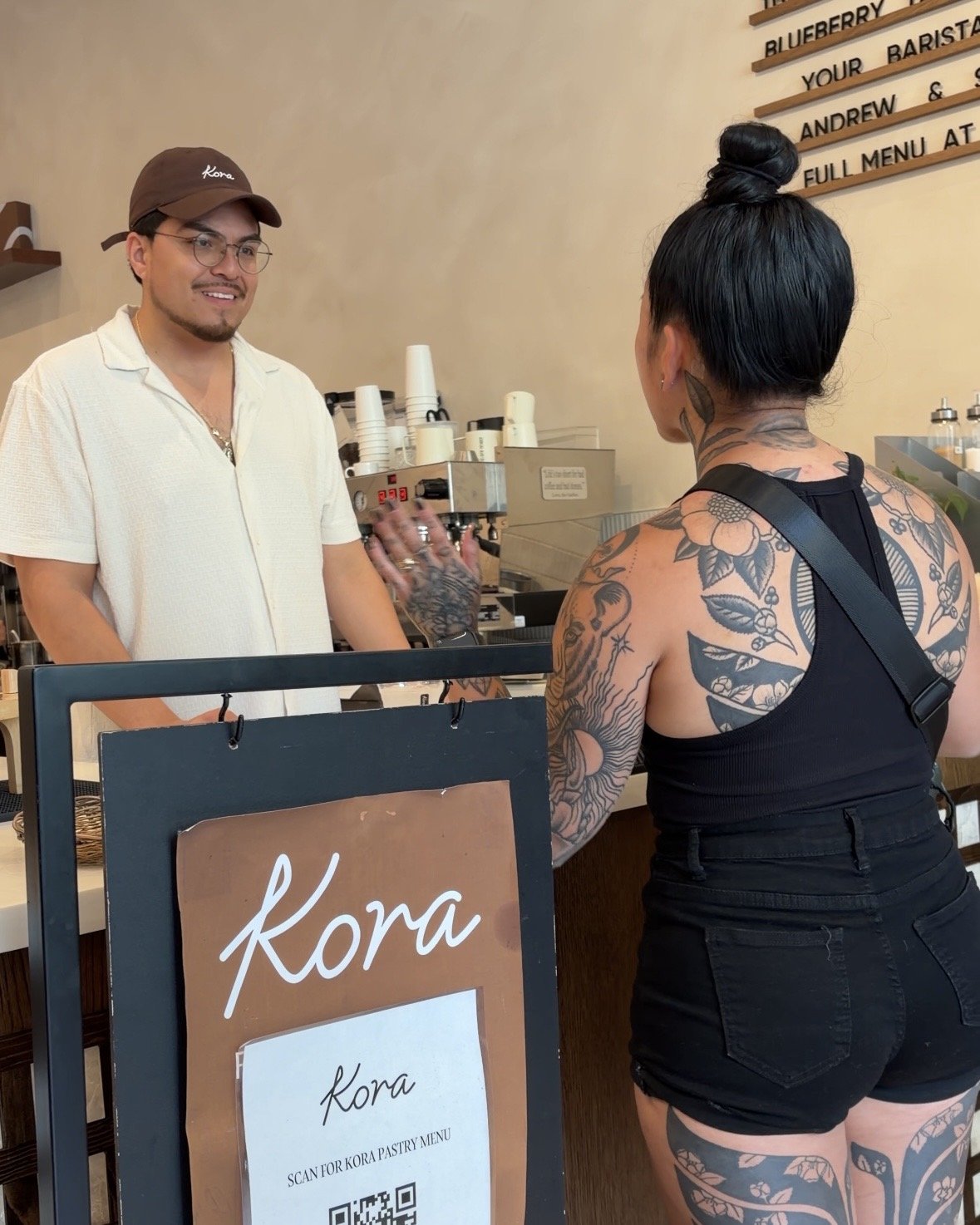
Co-founder Kevin Borja is someone who immediately comes to mind when I think about hospitality. He and his co-founder in life and business, Chef Kimberly Mendoza Camara, have created a culture that you can feel the moment you walk through the door and their team is an extension of it.
Whenever I visit New York City, I make a point to visit Kora. I typically spend most of my time in Manhattan, which means getting there isn’t particularly convenient. I’m willing to pay around $40 for an Uber each way to get to Sunnyside.
Think about that from a customer loyalty perspective.
There are thousands of places I could eat in New York City. There are incredible bakeries much closer to where I’m usually staying. I could save the time and the $80 round trip. But I still go.
Of course, the pastries are incredible and Kora also happens to make one of my top 5 favorite matcha lattes (their Pandan Matcha Latte). But that's not the only reason I return.
I return because of how I feel when I’m there.
Kevin has a way of making people feel genuinely welcomed. That care isn’t confined to the founders. You feel it from the team, which tells me that hospitality isn’t being treated as a customer service tactic. It’s embedded in the culture of the business.
That’s the difference.
The strongest hospitality doesn’t feel scripted because it isn’t a script. It’s a reflection of what the business values.
When leadership consistently models those values, the team carries them forward.
Building hospitality into your matcha program
If you operate a specialty matcha cafe, I would think about hospitality with the same intentionality you bring to recipes and preparation.
Start by defining what you want a customer to feel in your cafe.
Welcomed? Curious? Taken care of? Excited about matcha? Comfortable enough to ask questions?
Then give your team the tools to create that feeling.
Teach the “why,” not just the recipe.
A barista shouldn’t only know that a drink gets 4 grams of matcha. Give them enough context to understand what they’re serving and why you’ve chosen it.
Give baristas simple ways to describe your matcha.
Think about how naturally this already happens with specialty coffee. Baristas routinely talk customers through different origins, processing methods, tasting notes, or which coffee might work best for their preferences. Matcha deserves that same level of confidence. Your team doesn’t need to become tea sommeliers, but they should be equipped to answer the questions customers actually ask: What does this taste like? What’s the difference between these options? Which one would you recommend with milk? Why is this one more expensive?
Especially in a specialty matcha cafe, the ability to talk about the matcha should be just as foundational as the ability to prepare it.
Create natural conversation starters.
If you’re serving a single cultivar, seasonal release, uncommon preparation, or particularly special offering, give your team one or two sentences they can comfortably use to introduce it.
Train for hospitality, not just execution.
Training often focuses heavily on recipes, speed, POS, opening procedures, and closing procedures. Those things are essential. But greeting customers, acknowledging someone who’s waiting, answering questions without making people feel intimidated, reading social cues, and closing an interaction warmly can be taught too.
Role-play real customer interactions.
“What should I order if I don’t like bitter matcha?”
“Why does this cost $9?”
“What’s ceremonial grade?”
“What’s the difference between these cultivars?”
“I’m new to matcha. What should I try?”
Give your team the opportunity to practice answering these questions before they’re standing in front of a customer during a Saturday rush.
Resource your baristas properly.
Create a simple internal matcha guide they can actually use. Include your matcha offerings, tasting notes, sourcing information, preparation standards, FAQs, and a few approachable ways to communicate each one.
Coach the human skills.
Pay attention to hospitality during training and ongoing feedback just as you would drink quality. Talk about the interactions that went particularly well. Help team members navigate ones that didn’t. Human skills get stronger through practice, feedback, and repetition.
Model the experience you want your team to create.
The way leaders treat customers and their own team establishes what hospitality looks like inside the business. You can’t build a culture of care at the counter without creating a culture of care behind it.
And importantly, keep educating them.
A single training during onboarding shouldn’t be the last conversation your team has about the product your business is built around.
Your baristas are part of your matcha program
We spend a lot of time in specialty matcha talking about quality.
We should.
Better sourcing, better preparation, stronger education, and higher standards are helping move the category forward.
But elevating matcha isn’t only about putting a better bowl or latte in someone’s hands.
It’s also about the experience surrounding it.
If you’ve built an entire cafe around matcha, your team has an opportunity every single day to help someone understand it, appreciate it, and become more curious about it.
Your branding might introduce someone to your cafe.
Your social content might convince them to visit.
Your matcha might impress them.
But how you make them feel may ultimately determine whether they come back.
The technical skills make the matcha.
The human skills create the experience around it.
If we’re serious about elevating matcha, we should be investing in both.
About Jules Reyes
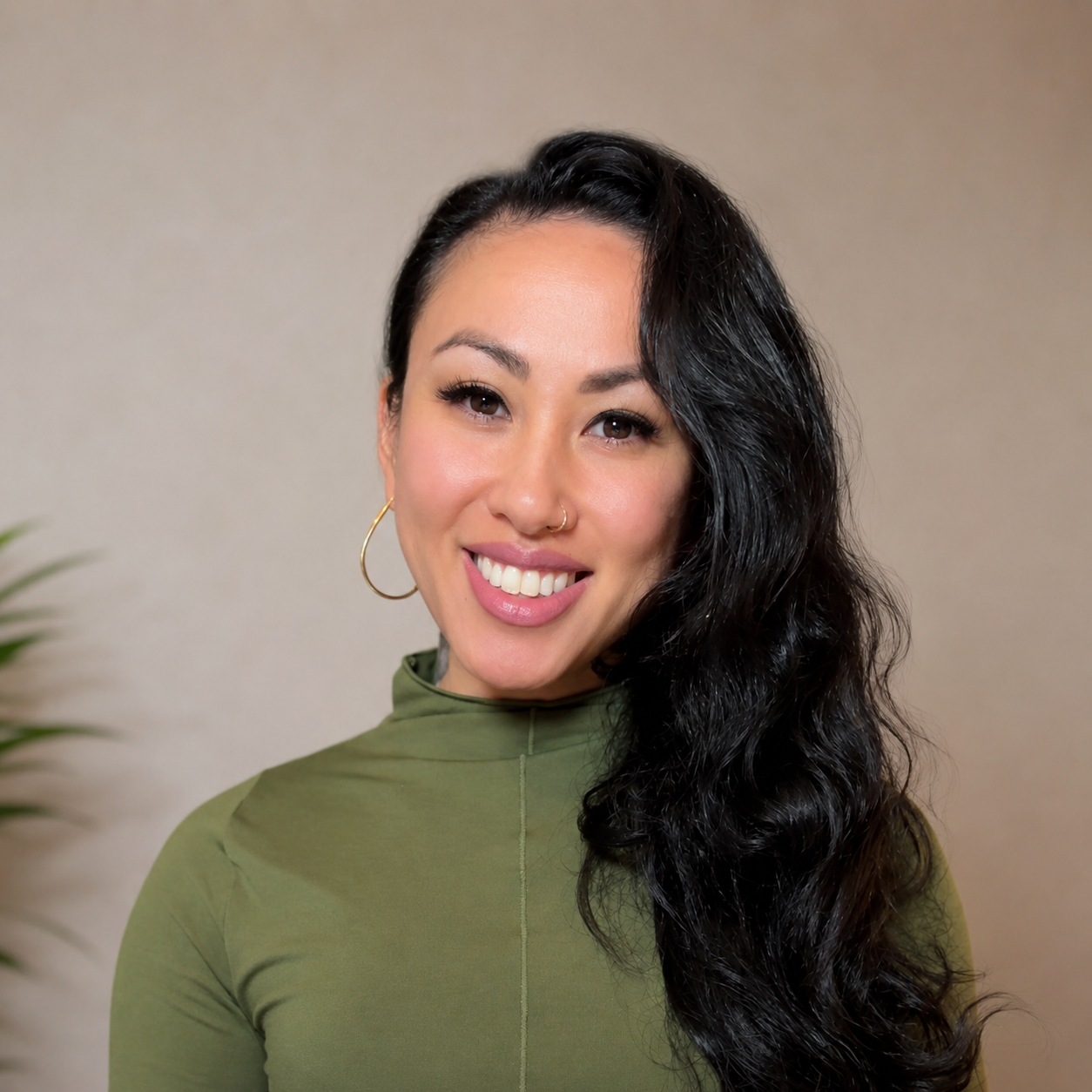
I’ve spent more than a decade working across the matcha industry, from building early matcha communities to helping scale brands, educating consumers and operators, and now building companies of my own.
I started one of the earliest matcha communities on social media in 2015, co-hosted the first U.S. matcha festivals, and joined the founding team of Jade Leaf Matcha, the #1-selling matcha brand in the U.S. at the time, where I helped build and scale the brand through its multimillion-dollar acquisition. I’ve since advised matcha brands in both the U.S. and Japan.
Today, I’m co-founder of Kissako Matcha and Mindful Drops and founder of Matcha Program. I started Matcha Program after seeing a gap between the growing interest in matcha and the education and resources available to the cafes and baristas serving it every day. Today, I help cafe operators build stronger matcha programs through practical education, resources, training, and support.
